I buy, sell, and deal in many different types of antique surveying
instruments and related science and technology antiques. In
 addition
to this informational website we operate
the website
www.Patented-Antiques.com as
a sales venue
where we conduct our sales of antique surveying instruments and other antique
sales. Our website www.Patented-Antiques.com is one of the largest single owner antique
sales websites on the internet dealing in surveying related antiques
and other tool and technology related antiques.
addition
to this informational website we operate
the website
www.Patented-Antiques.com as
a sales venue
where we conduct our sales of antique surveying instruments and other antique
sales. Our website www.Patented-Antiques.com is one of the largest single owner antique
sales websites on the internet dealing in surveying related antiques
and other tool and technology related antiques.
To see examples of antique surveying instruments
and related equipment that I currently have for sale, please go to our sister site at
www.Patented-Antiques.com and
visit the surveying related sale pages you will find there. 
If you have an antique surveyor's instruments and
equipment to sell, please contact us at AntiqBuyer@gmail.com
with as many details as possible, including one overall pic and we can discuss it.
Surveying Compasses
We buy & sell many different
types of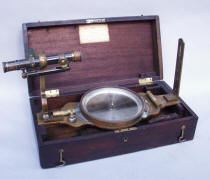 antique surveying instruments and related vintage accessories
that an early explorer, surveyor, architect, engineer, or builder would have used in his trade.
antique surveying instruments and related vintage accessories
that an early explorer, surveyor, architect, engineer, or builder would have used in his trade.
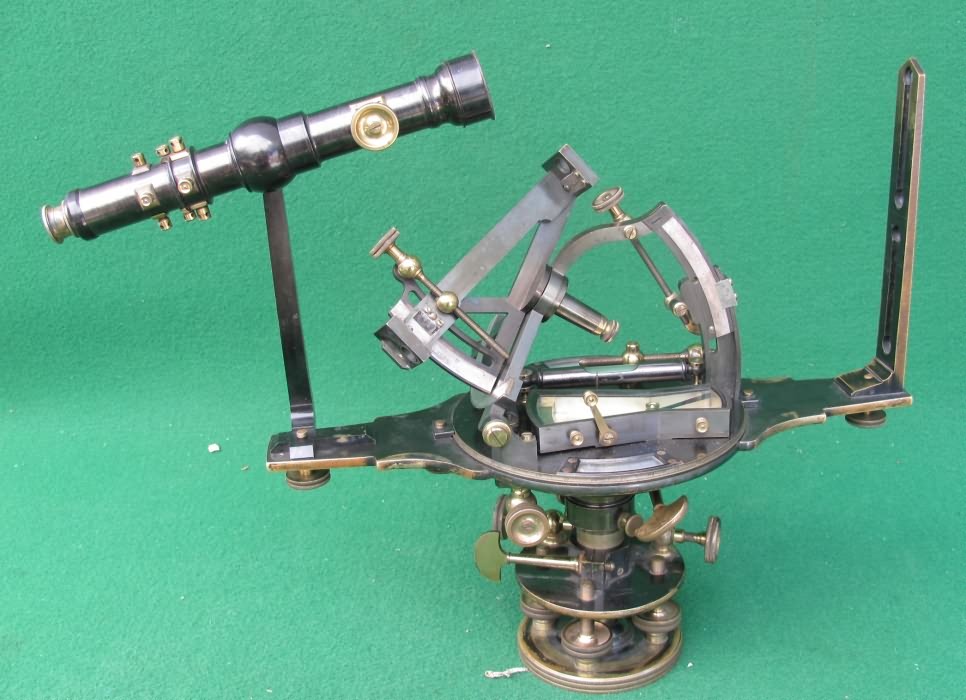
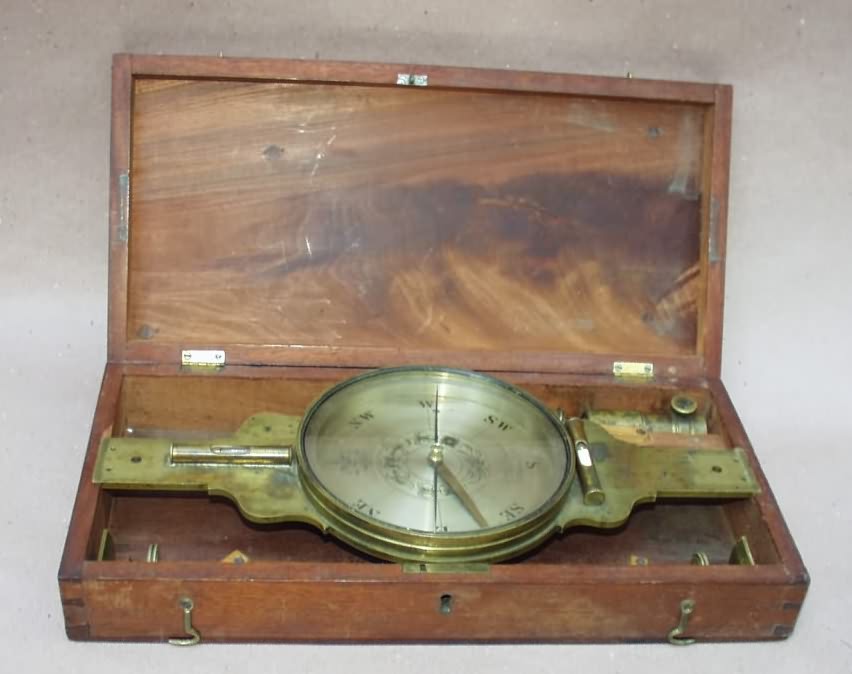
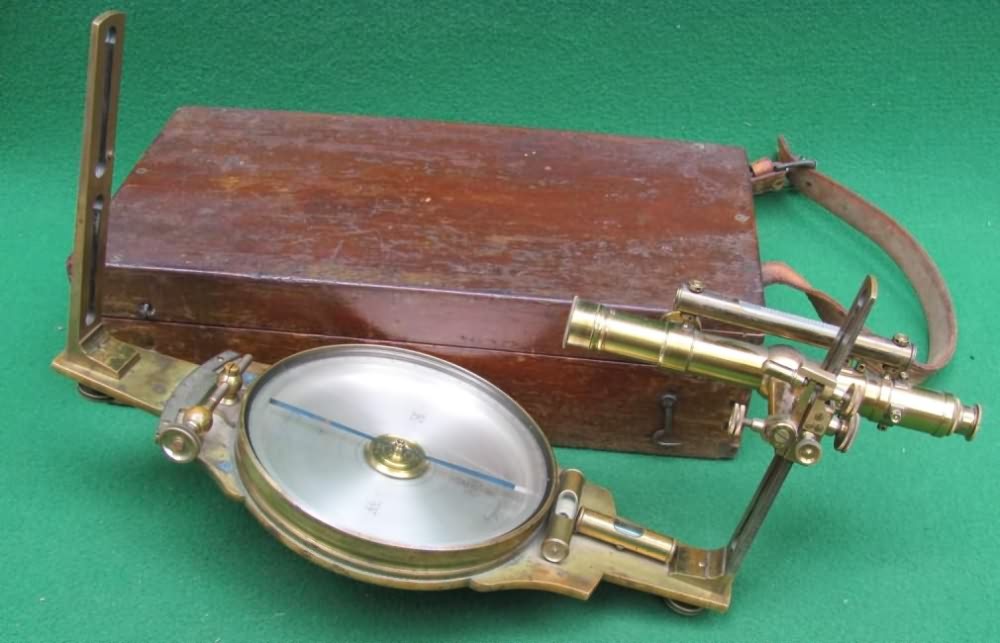
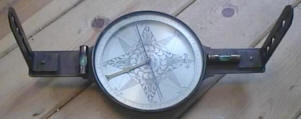
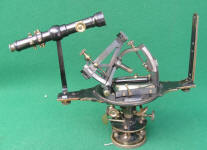
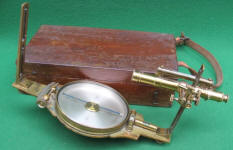
Antique surveyor's compasses like the Gurley compass to the left are a good example. We are
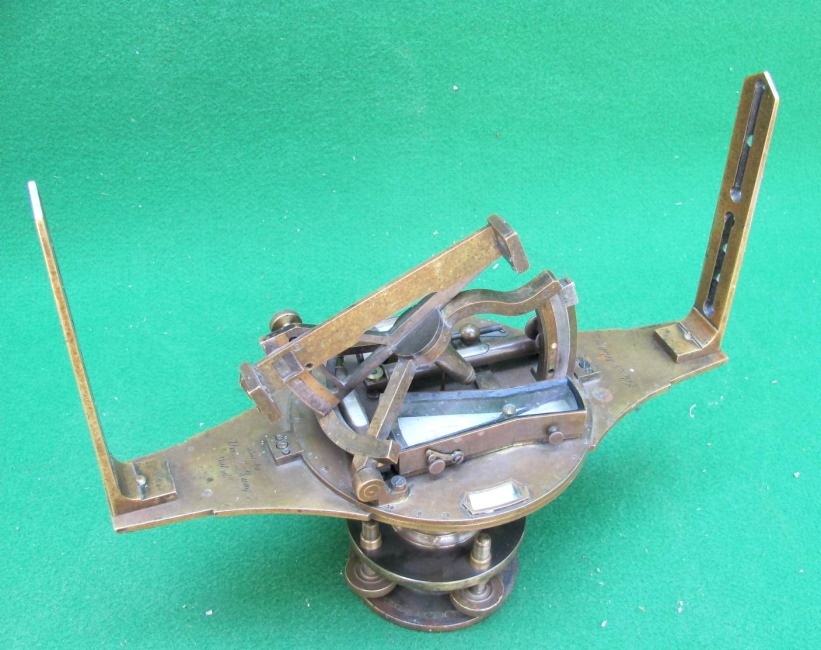
especially interested in acquiring more complex
antique surveying instruments such as solar compasses and transits or those
surveying instruments fitted with auxiliary scopes like the Gurley compass shown on the left.
The first surveying instruments used to explore, survey,
and divide up the American landscape came with the early settlers and explorers from
England and original homelands of those early explorers and adventurers.
During the earliest Colonial times most of the available surveying instruments
in America were manufactured in England and were distributed in
America from the largest cities located along the Eastern seaboard or
cities that had access to large bodies of water or seaways such as New York, Boston,
St Louis and Philadelphia.
It was not long before the demand for surveying and
related instruments outstripped the limited supply of imported instruments
and a
 new industry began to develop here in America. These same
areas along the Eastern Seaboard became the centers of manufacturing
activity in early America and expectedly the locations or home base
of the earliest American surveying instrument and other tool makers.
new industry began to develop here in America. These same
areas along the Eastern Seaboard became the centers of manufacturing
activity in early America and expectedly the locations or home base
of the earliest American surveying instrument and other tool makers.
These earliest makers included makers Anthony Lamb and Thomas
Briggs of New York, Aaron Breed of Boston and others. Early makers of surveying and other
mathematical instruments from the Philadelphia area included Benjamin Condy, and James Ham, as well as the more recognizable names David Rittenhouse
and his brother Benjamin Rittenhouse. It is documented that
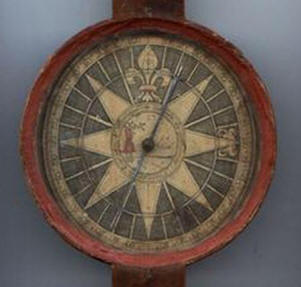
David Rittenhouse made surveying instruments and compasses for George Washington when he was a surveyor prior to the American Revolution.
(Rittenhouse compass pic above)
Early wooden or brass surveying compasses by 18th century Colonial era makers
are becoming very difficult to find.
 The earliest American makers and pioneers in the development of surveying
instruments were "Yankee's" in the truest sense of the word.
In the Northeast, wood was utilized as bodies for instruments for several reasons.
Ready availability and ease of construction
being the main reasons.
The earliest American makers and pioneers in the development of surveying
instruments were "Yankee's" in the truest sense of the word.
In the Northeast, wood was utilized as bodies for instruments for several reasons.
Ready availability and ease of construction
being the main reasons.
Even though brass is relatively easy to work,
non magnetic, and adaptable to the form needed, wood was an even easier
material to work with and in ready and plentiful supply. The vast
majority of the early compass makers that utilized wood as the basic
material for the bodies of their compasses originated from the New England
area. Many of these first American made surveying instruments
are seeming crude and rudimentary, but have a sense and presence that
once appreciated and understood make them very appealing.
True Americana at its finest. Those early makers made do with the materials at hand. There are some good examples
of such surveying compasses pictured and discussed at the Smithsonian's
on line website dealing with this subject.
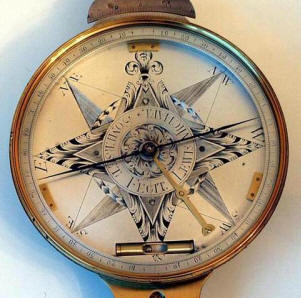
These earliest wooden American compasses had paper labels
known as compass cards under the glass. The compass bearings and added graphics were engraved on a plate used to make the paper cards.
It has been purported that Paul Revere provided one Boston maker
with an engraving plate that he purportedly used to make his compass
cards with. Some of these plates were works of art depicting scenes with
animals or landscapes or even people at work. All examples are very desirable.
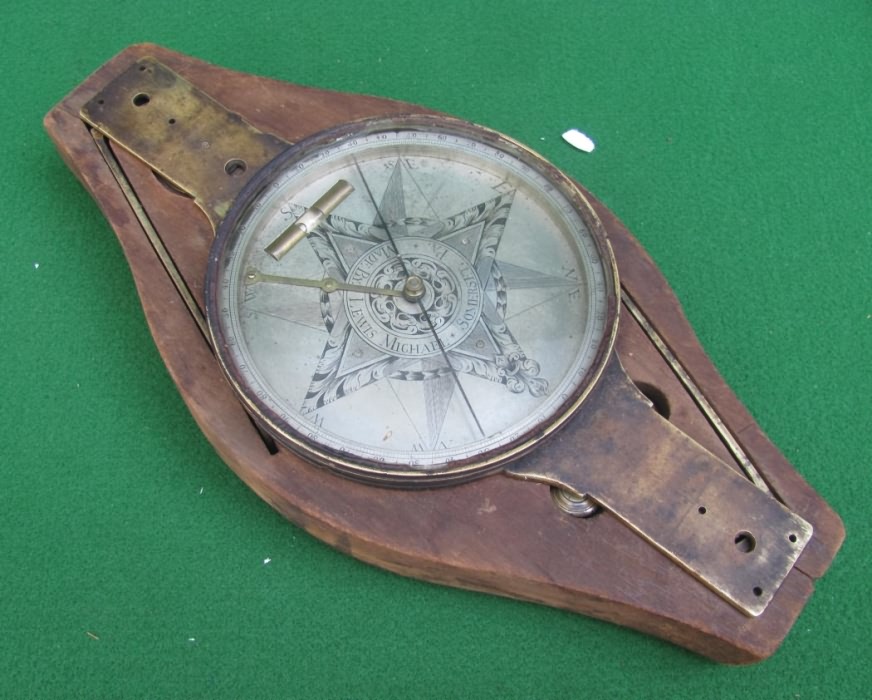
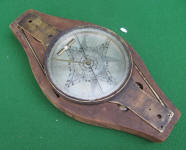
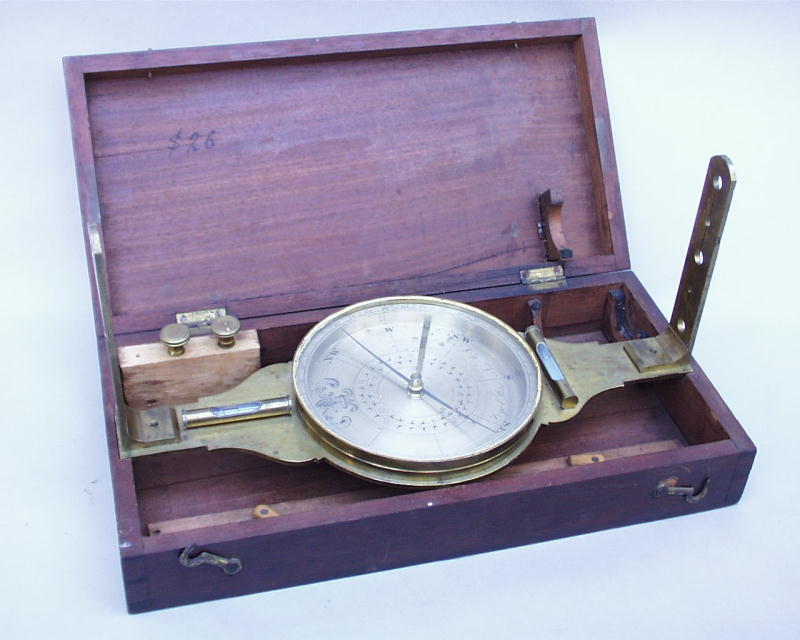
Early brass compasses dating from the late 18th and early 19th
century from areas like New York and Philadelphia were typically
made of brass and their compass faces can be highly decorated or
engraved with intricate and beautiful geometric designs like the
example to the right. Engraving on later compasses became
simpler with just the points called off and a few engraved points or
arrows leading to them on the face.
 The list of individual makers of all forms of surveying
instruments continued to grow along with America throughout the 19th
century. The major makers continued to be concentrated in or near
the major cities and hubs of activity, but the list of makers from
other
areas began to grow with instrument makers setting up shops in places like Western
PA, different parts of Ohio, Maryland, Virginia, St Louis and elsewhere.
The list of individual makers of all forms of surveying
instruments continued to grow along with America throughout the 19th
century. The major makers continued to be concentrated in or near
the major cities and hubs of activity, but the list of makers from
other
areas began to grow with instrument makers setting up shops in places like Western
PA, different parts of Ohio, Maryland, Virginia, St Louis and elsewhere.
St. Louis became a center of activity with its
strategic local and jumping off point on the Mississippi River for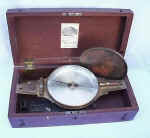 the
trek west. As activity moved West, so did makers of surveying
instruments.The first and best known California makers of surveying
instruments were Schmolz of San Francisco, followed by John Roach who
moved there from New York after a partnership with Warner in the mid
1800's.
the
trek west. As activity moved West, so did makers of surveying
instruments.The first and best known California makers of surveying
instruments were Schmolz of San Francisco, followed by John Roach who
moved there from New York after a partnership with Warner in the mid
1800's.
And finally Joseph Sala took over the Roach business after his death. Instruments by all three of these west coast
makers are becoming hard to find and some can command very strong prices
in the right venue. Just as instruments by the famous east
coast makers Chandlee
and Rittenhouse seem to fare best near where they were made.
 The list and examples of known compass makers number
in the many hundreds, and there is a comprehensive although not complete
list of known makers and examples of their instruments documented and
pictured at the Virtual Museum of Surveying compass makers directory
which can be found here:
http://www.surveyhistory.org/compass makerdirectory.htm There are
also a lot of compasses and other early surveying instruments
pictured and described at the Smithsonian's site. The
collection there is searchable both by masker and type.
The list and examples of known compass makers number
in the many hundreds, and there is a comprehensive although not complete
list of known makers and examples of their instruments documented and
pictured at the Virtual Museum of Surveying compass makers directory
which can be found here:
http://www.surveyhistory.org/compass makerdirectory.htm There are
also a lot of compasses and other early surveying instruments
pictured and described at the Smithsonian's site. The
collection there is searchable both by masker and type.
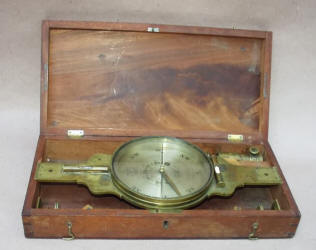
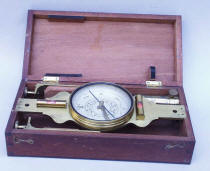
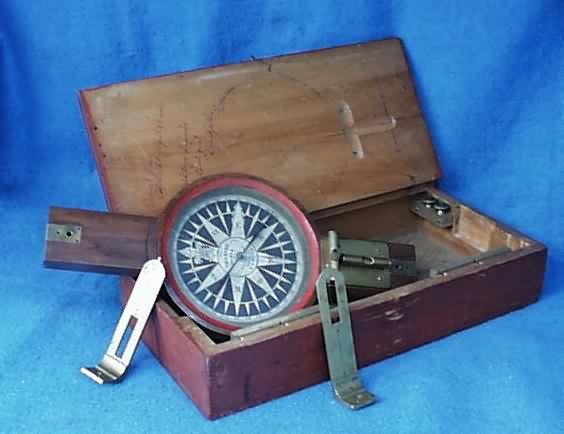
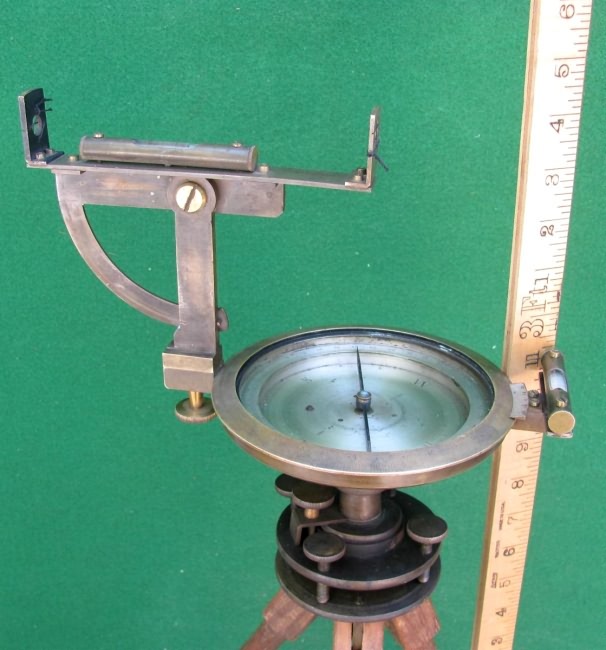
The surveying instruments you see here are examples
of the caliber, condition and quality of these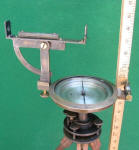 antiques that
we primarily deal in, want to buy, or can help you sell.
antiques that
we primarily deal in, want to buy, or can help you sell.
Click this link if you would like to see past sales results
for Antique Surveying Compasses, or this link to see
Gurley Compasses. Past Sales Results for other Antiques
we have sold are linked on the right.
If you have quality antique surveying instruments
that you want to sell,
please contact us at AntiqBuyer@gmail.com providing me with as many details as possible.
To see examples of antique surveying instruments
and related equipment that I currently have for sale, please go to our sister site at
www.Patented-Antiques.com and
visit the surveying related sale pages you will find there.
 Thank you!!
Larry & Carole
 Larry & Carole Meeker
 antiques that
we primarily deal in, want to buy, or can help you sell.
antiques that
we primarily deal in, want to buy, or can help you sell.